



Products
Products
Products
Products
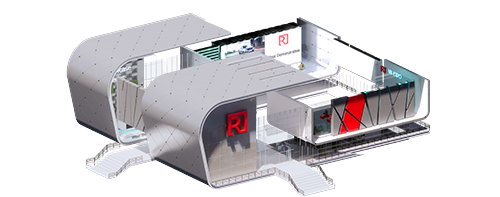
Virtual exhibitions offer a leap in the experience of art, culture, and information to users from their sitting rooms. Using 360-degree technology with VR, these exhibitions create an immersive environment around the visitor in ways physical exhibitions cannot. R Design Studio creates these innovative virtual experiences at the highest level. We believe in making art and information available to all over the globe by crafting experiences that also integrate seamless online shopping.

What is a Virtual Exhibition?
A virtual exhibition is an online resource that makes artworks, products, or information accessible through digital formats. While the idea of not touching or handling a piece of art is quite unlike physically visiting an exhibition, navigating through an online space will allow users to take things at their own pace and be accessible literally to the rest of the world. Adding in places of e-commerce even means purchasing from the exhibition can occur.


360-Degree Technology
360-degree technology captures a complete view of the environment, allowing users to look around in all directions. It can be implemented by:
360-Degree Photography and Videography: The panoramic images or videos that show a wide view of an exhibition space are available. Users can click and drag to explore different angles or look around using their device's gyroscope.
Interactive Elements: Hotspots within exhibits are meant to be clicked for more information on the items on display, sometimes videos or even images. Such links can further be used for direct purchases.

Virtual Reality (VR)
Via VR, users enter into an absolutely interactive 3D virtual environment. Users normally wear Virtual Reality headsets that enable them to:
Immersive Realism: The sense of presence is where VR lets users feel they are inside the exhibition. This could also allow for a deeper emotional feeling toward the content.
Interact with the Environment: Users can walk around an exhibition, manipulate objects, and participate in a variety of interactive displays. Integrated shopping features make users able to add products directly to their cart during the exploration experience.

Benefits of Virtual Exhibitions
Accessibility: Virtual exhibitions remove all geographical boundaries, allowing participation by anyone with an internet connection from anywhere in the world. Cost-effectiveness: It may be less expensive to create a virtual exhibition rather than physically creating one, not investing in venue hire, transport, or physical materials. Increased engagement: Interactive elements and immersive experiences lead to much higher levels of visitor engagement and retention.
Data Collection: Virtual platforms are able to track visitor behavior in order to understand the preferences and levels of engagement of an audience.
E-Commerce Integration: The embedded online shopping facility during an exhibition will allow buying decisions to be made instantly, hence enriching the experience and opening up more sales opportunities.

Applications of Virtual Exhibitions
Art Galleries and Museums: Institutions can showcase their collections online, enabling users to explore exhibits and artworks in detail, with the option to purchase prints or merchandise.
Trade Shows and Conferences: The business can set up virtual booths where they showcase products, communicate with prospective customers, network with others, and enable purchase directly.
Educational Institutions: Schools and universities can have virtual exhibitions on display for student projects, research, educational content of some sort, and even sell related materials or resources.

Creating a Virtual Exhibition
Some of the steps involved in creating a successful online exhibition, inclusive of online shopping, will be:
Establish the theme and objectives: Clearly, outline what you are trying to achieve with the exhibition and what you would like your audience to take away from it.
Choosing the Right Technology: Choose between 360-degree images and VR, or use both-skewed towards your audience and the content.
User Experience: The onus is to ensure that the exhibition is well-developed to be easy to maneuver while being visually appealing. Add interactivity for better engagement, including shopping features.
Promote Exhibition: Social media, email marketing, and other tools spread the word to your target audience and encourage participation.
Conclusion
Virtual exhibitions with the incorporation of 360-degree and VR technologies are opening new dimensions for audience interaction and content presentation. Here at R Design Studio, we are committed to immersive and interactive experiences that really improve access and make memorable introductions to art, culture, and information. With the addition of online shopping, visitors could purchase directly from the exhibition and further enhance their experience. Virtual exhibitions will continue doing more and being more as technology changes.

Visualization of Products and Configuration Online in VR and 360-Degree Platforms
Product visualization using VR and 360-degree platforms is revolutionizing how businesses showcase their offerings, providing customers with an immersive, interactive shopping experience.
-
Product Visualization: This technology uses digital tools to create lifelike product representations, helping customers explore products in detail.
-
360-Degree Views: Enables users to rotate, zoom, and interact with products, enhancing online engagement.
-
VR Visualization: Immerses users in a 3D environment where they can configure products and simulate real-world usage.
Benefits include improved customer decision-making, higher engagement, and a competitive edge in the market.
Applications: From e-commerce to automotive, real estate, and interior design, businesses can showcase products in an interactive, personalized way.
Implementing product visualization involves choosing the right technology, creating high-quality visuals, and continuously optimizing based on user feedback.
With VR and 360-degree platforms, businesses can offer memorable experiences, drive sales, and build lasting customer relationships.